Changing lives one heart at a time.
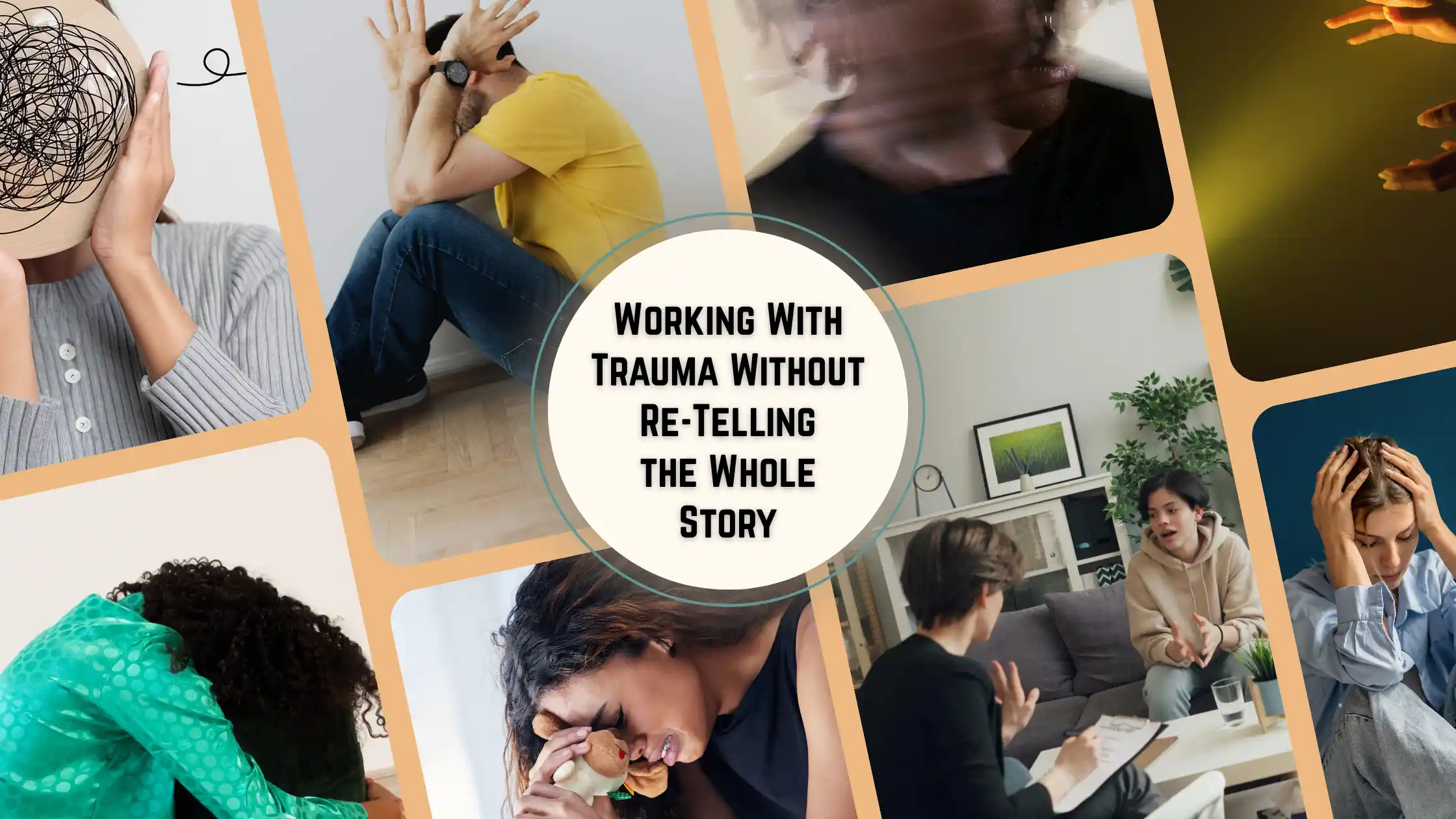
For many people, trauma is not something they want to explain in detail.
They may feel overwhelmed just thinking about it.
Their body tightens.
Their breath changes.
Their nervous system reacts before words ever come.
At the same time, many people feel drawn to helping others.
They sense there must be a safer way to support trauma — one that does not require retelling every painful detail.
Trauma-focused hypnotherapy offers exactly that.
A gentle, heart-centred approach that honours emotional safety…
And a meaningful path for those who want to train as practitioners.
What Working With Trauma Really Means — In Everyday Words
Trauma is not just a memory.
It is a nervous-system response.
When someone has experienced stress, shock, or ongoing overwhelm, the body learns to stay alert.
The subconscious mind holds onto protective patterns designed to keep the person safe.
Trauma-focused hypnotherapy works with these patterns gently.
It supports the subconscious without asking for explanations or stories.
There is no pressure.
No force.
No requirement to relive the past.
Just safety.
Grounding.
And steady support forward.
How Trauma Lives in the Nervous System
Trauma often shows up long after the event has passed — not as a story, but as sensations.
People may experience:
- tightness in the chest or throat
- racing thoughts
- panic or sudden fear
- freeze or shutdown
- dissociation
- overwhelm
- trouble resting
- hypervigilance
These reactions are not weakness.
They are the body’s way of trying to protect itself.
Trauma-informed hypnotherapy recognises this — and meets the nervous system where it is.
Why Emotional Safety Comes Before Stories
For someone with trauma, being asked to explain or relive events can feel unsafe.
The nervous system does not need more detail.
It needs calm.
Trauma-focused hypnotherapy places emotional safety first:
- no retelling or reliving trauma
- no force or emotional pressure
- the person stays in control
- slow, gentle pacing
- grounding before anything else
When the body feels safe, the nervous system softens.
And when the nervous system softens, change can happen naturally.
How Trauma-Focused Hypnotherapy Helps Without Retelling
This approach supports healing without asking for the full story.
It works through:
Subconscious Support
The subconscious responds to safety, not explanation.
Old protective patterns can release when they no longer feel needed.
Nervous-System Calming
Gentle techniques help the body move out of survival mode.
Grounding and Presence
The person stays connected, aware, and supported.
Deep Relaxation
As tension eases, emotional balance becomes possible.
No Storytelling Required
Relief does not come from retelling trauma.
It comes from safety, softness, and steady support.
This is what makes trauma-focused hypnotherapy different.
The DeTrauma Technique — Safety Without Story
At Hypnotherapy Training Australia, students learn the DeTrauma Technique.
This is a gentle, structured approach designed specifically to work with trauma without story retelling.
The DeTrauma Technique focuses on:
- emotional safety
- nervous-system regulation
- subconscious pattern release
- grounding and calm
People often report feeling:
- lighter
- calmer
- more grounded
- emotionally steadier
- safe within themselves
For students, this technique offers clarity and confidence — especially when working with trauma for the first time.
Why Trauma-Aware Practitioners Are So Important Right Now
Across Australia, many people are living with trauma responses they cannot easily explain.
They are not looking to relive the past.
They are looking for:
- safety
- calm
- understanding
- grounding
- gentle support
Trauma-aware practitioners offer a steady presence in a world where many nervous systems feel overwhelmed.
As awareness grows, so does the need for practitioners who know how to work without retraumatisation — with Care & Understanding.
What You Learn in Trauma-Focused Hypnotherapy Training
Training is supportive, structured, and beginner-friendly.
Students learn:
Understanding Trauma Responses
- how trauma affects the nervous system
- why story retelling is not required
- how the body protects itself
Emotional Safety Skills
- creating calm, safe spaces
- pacing sessions gently
- supportive, grounded communication
Subconscious Work
- gentle hypnotic processes
- working with subconscious patterns
- supporting emotional balance
Grounding and Regulation
- grounding techniques
- nervous-system calming
- supporting overwhelm safely
Personal Growth
Many students experience their own sense of calm deepen — becoming more grounded and emotionally steady.
This inner change becomes part of how they support others.
Is This Path Right for You?
You may be wondering:
- Can I work with trauma without hearing painful stories?
- Can I learn this if I’m new?
- Will I feel supported while I train?
- Can I help people safely and respectfully?
- Can I study at my own pace?
The answer is yes.
You can learn gently.
You can grow steadily.
You can be supported every step of the way.
If you feel drawn to helping others feel safe again…
If you want meaningful, heart-centred work…
We would love to support you.
You’re welcome to explore our courses, connect with our team, and take your next step when it feels right — with Care & Understanding, and a commitment to changing lives one heart at a time.

Leave A Comment
You must be logged in to post a comment.